Using AI in the Classroom: Category Management Sourcing Decisions
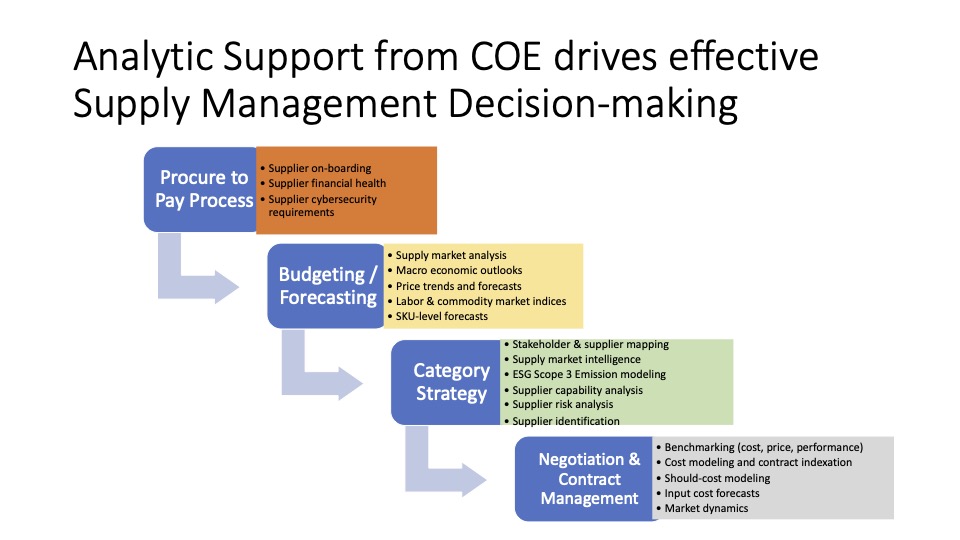
This semester I began experimenting with a new case study format, that engages AI in traditional case study sourcing decisions. I am using the “Rollamobile” case in my MBA 541 class, which considers all elements of category strategy, the source to pay cycle, sourcing evaluation, negotiation, and contract management.
The case involves RollaMobile Inc., a fictional US-based mobile phone manufacturer preparing to launch the RM-X1, a mid-to-premium Android smartphone targeting the $685 retail price segment. To deliver the device, RollaMobile must select a processor chip supplier from four candidates evaluated across cost, quality, risk, and geopolitical exposure.
This case study spans a projected two-year demand window (FY2027–FY2028) and requires students to integrate financial statement analysis, supply chain total cost modeling, tariff impact assessment, and strategic risk evaluation.

The four supplier candidates are Samsung (South Korea), Qualcomm (USA), Intel (USA), and Huawei (China). Each presents a distinct risk-cost-quality profile shaped by the current tariff environment as of March 2026. Not to mention the challenges of sourcing from a Chinese manufacturer and the risks of doing so in the U.S.
How is AI used in this case? Rather than fighting the fact that students will inevitably use AI for their course assignments – I figured I may as well encourage it!
The Rollamobile case is an integrated case that spans the next 3 assignments (A – Financial Analysis, B – Market intelligence, sourcing analysis, and C – Total cost of ownership, supplier scorecard, demand sensitivity, and final recommendation). The final assignment (C) requires students complete a final executive summary based on the analysis from the prior assignments.
I have permitted and indeed encouraged students to use AI for this assignment – using a specialized Aquisio”sandbox” AI platform, designed for this case study. So far the feedback has been positive. Indeed one student emailed me the following yesterday:
– I use the Calculation Check mode to verify my ratio math (gross margin, net margin, debt-to-equity, asset turnover, ROE) against the Section 07 data.
– I use the Reasoning Critique mode to pressure-test my written arguments, for example my Intel risk assessment and my Qualcomm/Huawei analysis, and then revise my answers based on what it pushes back on.
– I use the Evidence mode to confirm where specific facts and figures are sourced from in the case.
– I’m logging each of these checks in the decision notebook as I go, so there’s a record of my process. For the final assignment document, I’ve been using AI assistance (CoPilot) to help organize my written answers into a clean document and format the ratio table, while the actual analysis and arguments are ones I worked through myself and verified in Aquisio as described above. will make sure the work stays my own throughout.
If I use AI at any point, whether it is Aquisio, Claude, or anything else, I will cite that usage clearly rather than leave it unstated. To be clear on my end: I am using AI mainly to help organize my writing, check grammar, and verify my calculations and reasoning, but the actual analysis, judgment calls, and final recommendations are my own.
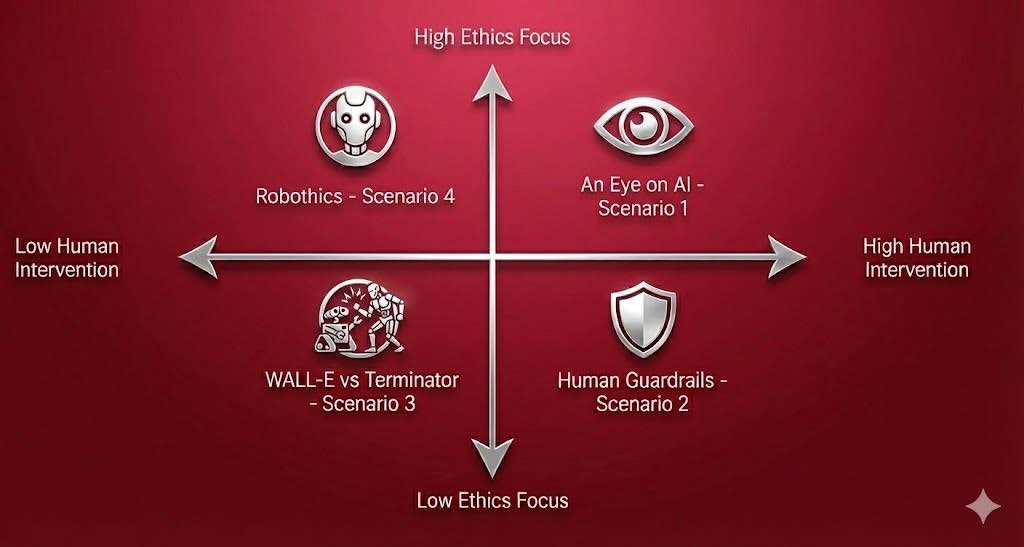
This is exactly how I believe AI should be integrated into student learning in purchasing and supply chain management decisions. AI can help gather facts, check logical assumptions, ensure there are no math errors, and support final writing and editing. In the end, however, humans have to make the decision. AI can be helpful in gathering the evidence, but human judgement and assessment of the benefits, risks, and likelihood of success are imperative for effective decision-making.